Maternal & Child
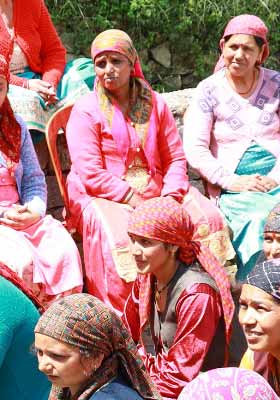
Maternal & Child Health
Supporting mothers and newborns through improved antenatal care, nutrition, early intervention, and safer delivery practices. Our programme strengthens healthcare systems while promoting healthier pregnancies and better outcomes for rural families.
Maternal & Child
Tuberculosis Control
Working with national partners to improve tuberculosis awareness, early diagnosis, treatment adherence, and community support. Through grassroots engagement, we help reduce stigma and strengthen access to quality TB care.
Maternal & Child
HIV & AIDS Prevention
Empowering vulnerable communities through awareness, preventive healthcare, counselling, and outreach services. Our initiatives promote healthier lifestyles while improving access to essential HIV prevention and support programmes.
Maternal & Child
Women's Health Awareness
Conducting workshops and community awareness programmes to educate women and frontline health workers about reproductive health, prenatal care, and early diagnosis for healthier families.
Maternal & Child
Clean Energy Solutions
Promoting fuel-efficient cookstoves that reduce smoke, lower carbon emissions, and improve indoor air quality. The initiative supports healthier households while contributing to long-term environmental sustainability.
Maternal & Child
Plantation & Ecosystem Restoration
Restoring landscapes through large-scale plantation drives, horticulture development, watershed conservation, and climate-resilient farming practices that strengthen rural livelihoods and biodiversity.
Maternal & Child
Water & Sanitation
Improving sanitation facilities and promoting safe water management through community participation, hygiene awareness, and sustainable rural infrastructure development.
Maternal & Child
Climate Action
Building resilient communities through climate studies, water conservation, carbon reduction initiatives, and sustainable natural resource management across vulnerable hill regions.
Maternal & Child
Equine Welfare Programme
Improving the health and wellbeing of working horses and mules through veterinary care, owner training, sustainable fodder cultivation, and responsible animal management practices.
Maternal & Child
Sustainable Livelihood Support
Helping equine-owning families strengthen their livelihoods by promoting Azolla cultivation, animal insurance, and improved nutrition that benefits both animals and households.
Maternal & Child
Child Protection Services
Providing emergency support, counselling, rehabilitation, and community awareness to safeguard children from abuse, trafficking, child labour, and other forms of exploitation.
Maternal & Child
Women Leadership
Strengthening the leadership skills of elected women representatives through governance training, community mobilisation, and capacity-building programmes that promote inclusive local development.
Maternal & Child
Community Participation
Encouraging citizens to actively engage in local governance, awareness campaigns, and community-led initiatives that create lasting social change.
Drinking Water Solutions
Safe Water Access
Supporting rural communities with sustainable drinking water solutions through user group formation, water quality monitoring, capacity building, and community-led management.
Drinking Water Solutions
Water Resource Management
Promoting long-term water security through watershed planning, conservation practices, and improved management of rural water infrastructure.
Drinking Water Solutions
Disability Inclusion
Creating inclusive learning and rehabilitation spaces through assistive technology, therapy centres, digital resources, and accessible community infrastructure.
Drinking Water Solutions
Community Learning
Developing digital libraries, smart classrooms, and educational spaces that improve access to knowledge and lifelong learning opportunities.
Drinking Water Solutions
Renewable Energy
Promoting solar-powered infrastructure and clean energy solutions that improve public safety, reduce environmental impact, and support sustainable community development.
Drinking Water Solutions
Healthcare Innovation
Implementing community-focused healthcare initiatives that strengthen preventive care, improve access to medical services, and enhance overall community wellbeing.
Maternal & Child
COVID-19 Response
Providing emergency healthcare, food assistance, vaccination support, and livelihood restoration to help vulnerable communities recover during the COVID-19 pandemic.
Maternal & Child
Disaster Relief
Delivering rapid humanitarian assistance, including food, shelter, medical supplies, and rehabilitation support to communities affected by floods and other natural disasters.
Maternal & Child
Inclusive Emergency Response
Ensuring people with disabilities and other vulnerable groups receive timely relief, essential supplies, and recovery support during emergencies and humanitarian crises.