
Rural Development
Why Rural Development?
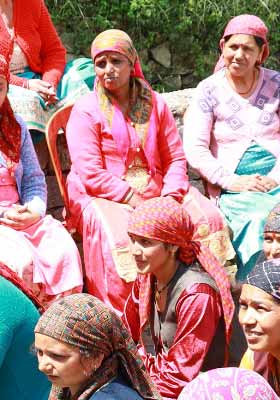
800 million rural Indians live with poverty, health challenges, educational gaps, and vulnerability. This is not a small issue-it’s the majority of India’s population facing daily struggles. Rural development is essential-not charity, but necessary transformation for national progress. When 800 million people are underdeveloped, national development is limited. When rural communities thrive, everyone benefits-food security increases, inequality decreases, environment improves, social stability strengthens. Rural development is fundamental to human dignity, national progress, and global sustainability. It matters urgently-for affected families who deserve dignified lives, for communities that deserve opportunities, for nations seeking stable, equitable growth, and for the planet requiring climate action. Rural development is not optional. It’s imperative.
Empowering Communities, Enabling Change
Our approach centers on partnership, not just provision. We collaborate with rural residents to build the leadership and networks necessary for self-reliance. From tackling shared infrastructure challenges to advocating for social rights, we help communities create home-grown solutions that drive measurable, lasting progress.
Our Initiative
Please write couple of lines text here.
- Infrastructure Deficiency: Poor road connectivity, limited electricity, inadequate housing, and weak digital infrastructure access hinder growth.
- Low Agricultural Productivity: Dependence on outdated farming methods, small landholdings, and climate risks keeps farm incomes are stagnant.
- Unemployment & Poverty: Few non-farm opportunities, seasonal work, and income insecurity force migration and trap families in poverty.
- Healthcare Gaps: Lack of clean water, sanitation, and medical facilities leads to preventable diseases and high maternal/ child mortality.
- Educational Inequality: Poor school infrastructure, teacher shortages, and gender disparities limit skill development and opportunities.
- Social Inequality: Women and marginalized groups often lack property rights, a voice in decisions, and access to resources.
- Weak Governance: Corruption, poor implementation of schemes, and lack of accountability reduce the impact of development programs.
- Environmental Stress: Soil degradation, water scarcity, deforestation, and climate change increase vulnerability and reduce resilience.
- Economic Empowerment: Diversify income sources beyond farming through rural enterprises, skill training, and microfinance. Promote sustainable agriculture with modern techniques and climate-resilient crops.
- Infrastructure & Services: Invest in roads, electricity, clean water, sanitation, and digital connectivity to reduce isolation and open access to markets,healthcare, and education.
- Healthcare Access: Strengthen primary healthcare centers, mobile clinics, and preventive programs (clean water, sanitation, nutrition awareness) to reduce disease burden.
- Education & Skills: Improve rural schools with trained teachers, digital tools, and vocational training. Focus on girls’ education to break cycles of poverty and early marriage.
- Women’s Empowerment: Ensure property rights, income opportunities, and leadership roles for women. Support self-help groups and cooperatives to give women financial independence and a community voice.
- Environmental Sustainability: Promote water harvesting, soil conservation, renewable energy, and forest regeneration. Encourage climate-smart farming to build resilience against droughts and floods.
- Governance & Participation: Strengthen local institutions, ensure transparency in schemes, and involve communities in decision-making to make development inclusive and accountable.
- Reduced Poverty & Income Security: Families earn stable incomes, diversify livelihoods, and escape debt cycles. Migration slows as opportunities grow locally.
- Better Health & Nutrition: Preventable diseases decline, maternal and child mortality rates drop, and malnutrition is reduced, leading to healthier, more productive communities.
- Improved Education & Skills: Higher school attendance, especially for girls, better learning outcomes, and vocational training equip youth for modern jobs.
- Women’s Empowerment: Women gain property rights, income sources, and leadership roles, multiplying benefits for families and communities.
- Environmental Resilience: Climate-smart farming, water conservation, and renewable energy protect natural resources and strengthen resilience against droughts and floods.
- Social Stability & Cohesion: Reduced inequality, stronger local institutions, and vibrant communities foster peace, dignity, and cultural continuity.
- National Benefits: Food security improves, rural productivity strengthens the economy, and environmental conservation supports national resilience.
- 1 Safety: 200 Solar Street Lights have ended the "sunset lockdown" for 11,000+ residents, providing a zero-cost security layer.
- 2 Wellness: Targeted 09 health camps have provided critical care to 1000+ vulnerable men, women and children establishing a baseline for community longevity.
- 1 Environment
- 2 Wellness: Targeted 09 health camps have provided critical care to 1000+ vulnerable men, women and children establishing a baseline for community longevity.
Testimonials
Card Title
Card Title
Card Title
Card Title
Card Title